

FICSA Communications & Circulars
- Communications
- Circulars
FICSA Latest Resources



FICSACALENDAR
Stay up to date with all FICSA events.
- 30 Nov - 5 Dec 2019
- SCBD Offices, Montreal, Canada
FICSA training Workshops Strategy for Successful Organizational...
- 1 Feb - 2 Feb 2019
- CTBTO, Vienna
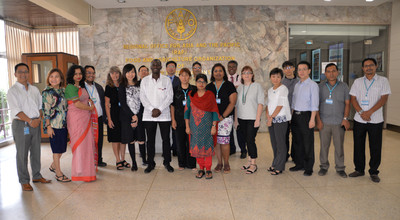
FICSA-sponsored ICSC workshop on the post adjustment system
Deadline for applications: 25 January 2019 FICSA has organized a 2-day,...

- 2 Feb 2019
- CTBTO, Vienna
FICSA Workshop on the Law and Procedure Governing Internal and...
Deadline for applications: 24 January 2018 We are pleased to inform you that...
- 28 Nov - 30 Nov 2018
- IAEA, Vienna
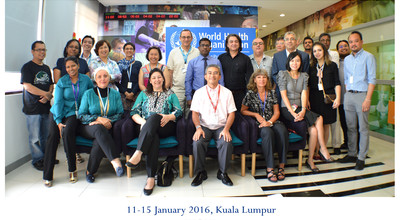
FICSA workshops on meditation (1 day) and occupational health and...
Deadline for applications: 9 November 2018 The Federation of...
- 15 Nov 2018
- ITU Geneva
FICSA seminar on the protection of whistleblowers
Deadline for applications: 2 November 2018 Reference is made to our email of 26...
- 18 Oct 2018
- IMO, London
Workshop on working under presure: Emotional intelligence in the...
Deadline for applications: 5 October 2018 The Federation of International Civil...
- 09 Feb - 11 Feb 2021
- Virtual
74th FICSA Council
- 08 Feb - 14 Feb 2020
- IMO, London
73rd FICSA Council
- 02 Feb - 08 Feb 2019
- CTBTO, Vienna
- Registration deadline: 02 Feb 2019
72nd FICSA Council
- 03 Feb - 09 Feb 2018
- UNFCCC, Bonn, GERMANY
- Registration deadline: 03 Feb 2018
71st FICSA Council
- 12 Feb 2017
- Kuala Lumpur, Malaysia
- Registration deadline: 12 Feb 2017
Meeting of Chairs & Vice-Chairs / Excom (16h00 - 18h00)
- 12 Feb 2017
- Kuala Lumpur, Malaysia
- Registration deadline: 12 Feb 2017
Briefing for newcomers / Understanding the FICSA Council (14h30 -...
- 12 Oct - 21 Oct 2020
- UNOG Geneva
90th session of the ICSC
- 16 Jul - 24 Jul 2020
- Virtual
UN Pension board
- 29 Sep - 30 Sep 2020
- Greentree Estate, Long Island, New York
39th session of the HLCM
- 06 Jul - 09 Jul 2020
- Montreal, Canada
Summer HR Network
- 15 Jun - 19 Jun 2020
Task Force (Categorization of duty stations), Working Group on...
- 21 Jan - 22 Jan 2020
- New York, USA
- Registration deadline: 16 Jan 2020
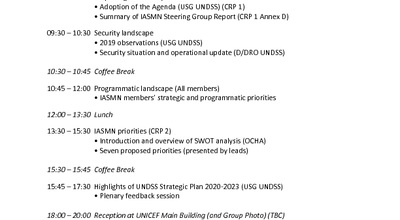
31st session of the IASMN
What is FICSA
Facts and Figures
- 90 30 Full Members, 18 Members with Associate Status, 42 Members with Consultative or Observer Status
- 40000 International civil servants
represented worldwide - 70 Years of
defending staff rights
Stay updated with FICSA
Subscribe to our newsletter and stay up to date with our latest news and activities